






- Surging electricity demand from AI data centers is colliding with a strained U.S. power grid, risking reliability.
- The nation’s nuclear energy ambitions face severe fuel supply chain vulnerabilities, including dependence on Russian uranium.
- Utilities struggle to forecast real AI power demand as tech companies shop large projects to multiple regions.
- Supply chain bottlenecks for critical minerals and electrical equipment threaten all new power generation projects.
- Policymakers and industry lack a coherent, long-term strategy to meet unprecedented energy needs while ensuring affordability and security.
The United States is barreling toward an unprecedented energy crisis, driven not by OPEC but by the insatiable power demands of artificial intelligence. As tech giants race to build sprawling data center complexes, their staggering electricity needs are exposing critical vulnerabilities in America’s aging power infrastructure, fragile supply chains and long-term energy strategy. The collision between rapid technological ambition and the slow realities of energy production threatens grid reliability, national security and economic stability.
The scale of the demand shock
The artificial intelligence revolution requires computational power on a scale that is rewriting forecasts for U.S. electricity consumption. Data centers, once modest power users, now routinely require hundreds of megawatts, with single projects like the planned "Stargate" facility aiming for multiple gigawatts—equivalent to the power needs of a major city. Consulting firm Grid Strategies estimates an additional 120 gigawatts of demand by 2030, with half coming from data centers alone. This surge represents the most significant spike in U.S. power demand since the era of widespread electrification, occurring after decades of relatively flat growth. The grid, already stressed by the retirement of traditional power plants and the integration of intermittent renewables, is unprepared for this sudden, massive load.
Nuclear’s promise hamstrung by supply chain peril
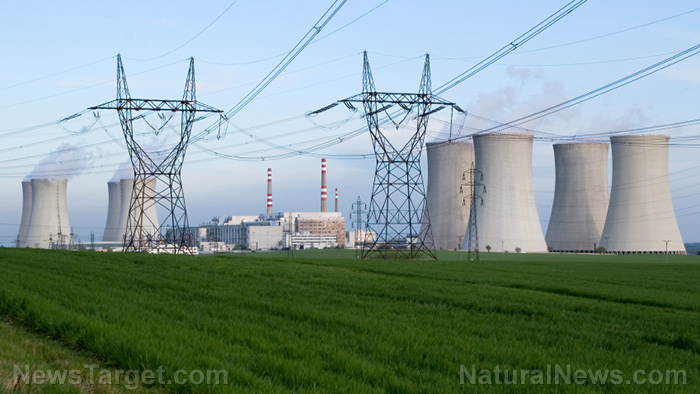
In response, policymakers and industry are looking to nuclear power, a reliable, zero-emissions baseload source. The Trump administration has issued executive orders to spur a nuclear revival, and companies like Meta and Microsoft are signing long-term power purchase agreements with existing nuclear plants. However, a national build-out faces a daunting obstacle: the fuel supply chain. The U.S. commercial nuclear fleet has been dependent on Russian-enriched uranium for the past decade, a critical national security vulnerability. Efforts to restart domestic enrichment, such as at the Piketon, Ohio facility, are in nascent stages and wildly insufficient for projected needs. Building the new large-scale or advanced micro-reactors needed to meet AI demand would require thousands of metric tons of specialized fuel, a manufacturing and industrial capacity that simply does not exist today.
The forecasting fog and infrastructure bottlenecks
This uncertainty is compounded by a fog of forecasting. Utilities report that AI companies are shopping identical multi-gigawatt projects to different regional grids simultaneously, making it nearly impossible to distinguish real, imminent demand from speculative proposals. Federal Energy Regulatory Commission Chairman David Rosner has warned that misjudging load forecasts by even a few percentage points can impact billions in investment and consumer bills. Meanwhile, the physical build-out faces severe bottlenecks. The supply chain for critical electrical equipment like transformers is constrained, and new natural gas turbines are sold out for years. While renewable energy can be deployed faster, policy uncertainty and interconnection queue delays persist. The result is a looming gap between AI’s power needs and the nation’s ability to generate and deliver electrons.
A strategic imperative beyond the bubble
The situation transcends debates about an AI stock bubble. It reveals a fundamental strategic shortfall. A Johns Hopkins University study concluded that under current conditions, the U.S. is on track to meet only 65% of its clean energy goals due to scarce raw materials like nickel and silicon, a shortfall now exacerbated by AI. The nation lacks a coherent, long-term energy policy that aligns security, affordability and industrial ambition. Solutions—from streamlining permitting and incentivizing domestic fuel production to investing in grid modernization and material recycling—require decades of consistent effort, not quarterly business cycles.
Confronting the capacity chasm
The unfolding scenario presents a stark test of American preparedness. The vision of an AI-driven future, with all its promised economic and technological benefits, is fundamentally tethered to the unglamorous realities of geology, manufacturing and electrical engineering. Without a urgent, clear-eyed and comprehensive strategy to expand reliable power generation and harden its underlying supply chains, the nation risks a future where energy scarcity throttles innovation, escalates costs for everyday consumers and compromises grid security. The race is no longer just between tech companies to build smarter AI; it is a race to power it.
Sources for this article include:










Please contact us for more information.