





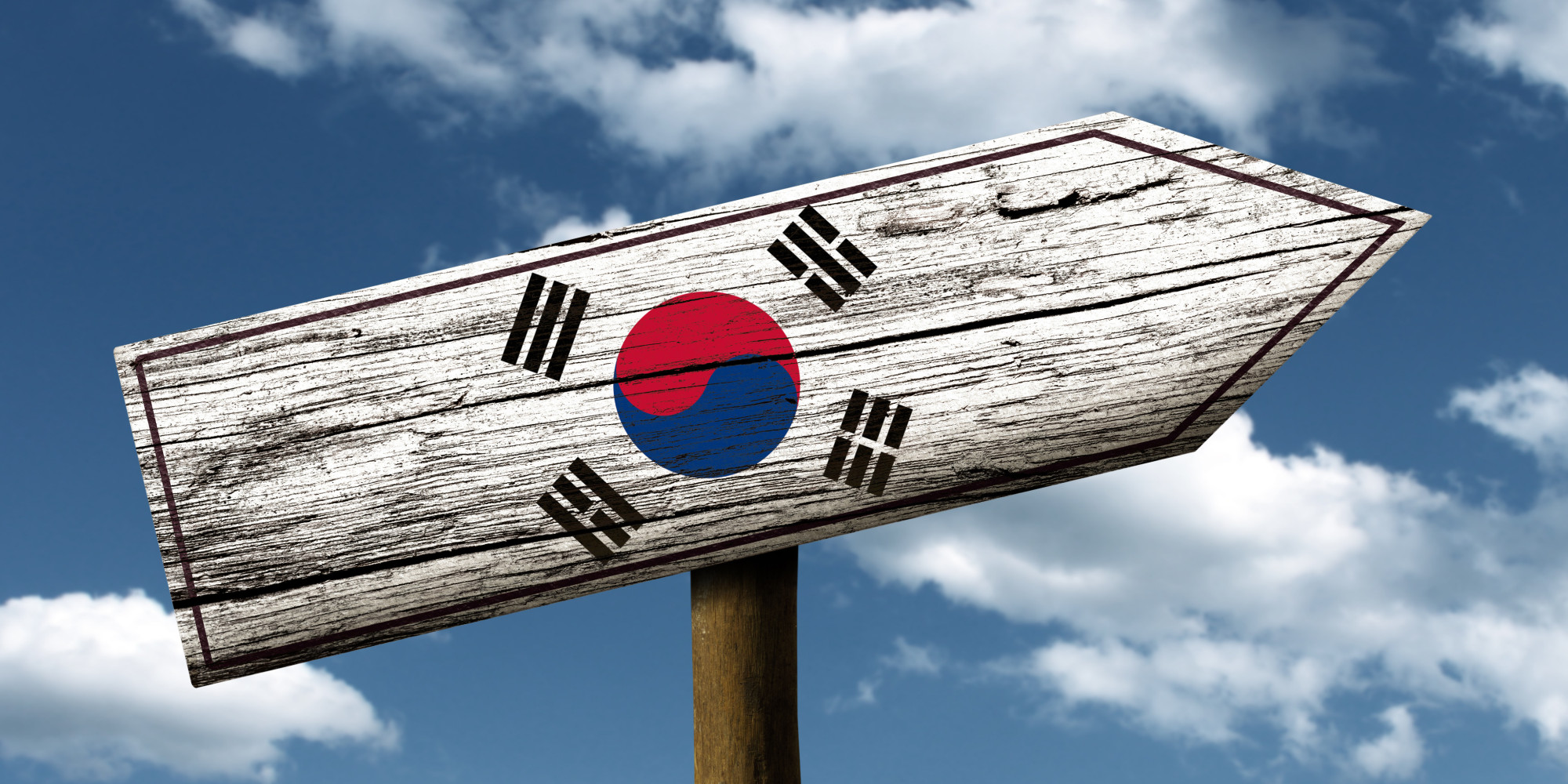
- South Korea’s Fair Trade Commission aggressively fined U.S. tech firms like Google and Apple under protectionist policies for years.
- Trump’s pressure forced Seoul to end unfair regulatory practices and align economically with the U.S. for security and trade.
- Korea’s reversal came after losing China’s market, escalating North Korean threats, and Trump’s hardline trade tactics.
- The new deal includes $350 billion in U.S. investments and fairer treatment of American digital services.
- This sets a precedent for U.S. allies exploiting regulatory protectionism: no more free rides.
For years, South Korea’s Fair Trade Commission (KFTC) operated like a protectionist enforcer, systematically targeting U.S. tech giants with massive fines and aggressive investigations. Google was hit with a $177 million penalty in 2021 over Android licensing. Apple faced a $22 million fine in 2023 for its payment ecosystem. Amazon, Meta, and Tesla were all in the crosshairs, with Korean regulators imposing some of the highest fines in the world, often under political pressure and without basic due-process protections.
The KFTC’s tactics were no accident. After all, South Korea’s impressive economic rise was built on protectionist industrial policies, shielding domestic champions like Samsung and Hyundai while using regulatory weapons to disadvantage foreign competitors. But that era appears to be over now. Under President Donald Trump’s pressure, Seoul has finally agreed to rein in its antitrust abuses, recognizing that its old playbook, balancing security ties with the U.S. while economically hedging toward China, no longer works.
A history of regulatory extortion
Korea’s economic miracle was fueled by state-backed industrial policy, where the government nurtured conglomerates (chaebols) while keeping foreign competitors at bay. The KFTC became a key tool in this strategy, launching surprise raids, ignoring attorney-client privilege, and threatening criminal prosecutions against U.S. firms. American companies operating in South Korea faced a structural disadvantage: their internal legal communications weren’t protected, and investigations often lacked transparency.
The pattern was clear. In 2024 alone, the KFTC probed Google and Amazon over alleged search and advertising biases, while Coupang, a U.S.-backed e-commerce giant, was slapped with a $98 million fine. The message? Foreign tech firms were welcome... as long as they paid the price.
Why South Korea folded now
Seoul’s sudden reversal wasn’t voluntary. A few key factors likely forced its hand.
First, China is no longer a customer but a competitor. Beijing is systematically replacing Korean suppliers with domestic alternatives, squeezing Seoul’s export-dependent economy. South Korea's security dependence on the U.S. also played a role. With North Korea’s threats escalating, South Korea can’t afford to alienate Washington.
In addition, Trump killed the hedging strategy. The old approach of "security with the U.S., economy with China" is dead. The administration has made it clear that Seoul must embrace fair trade or face consequences. Ultimately, leverage worked; Trump used both carrots (nuclear submarine approval, investment access) and sticks (threatening a Section 301 probe and higher tariffs).
South Korea had no choice. Caught between losing the China market and needing the U.S. security umbrella, it chose survival.
The deal: A strategic win for America
The new agreement marks a massive shift in U.S.-Korea relations. Under the Korea Strategic Trade and Investment framework, Seoul committed to:
- Ending discrimination against U.S. digital services, including unfair network fees and platform regulations.
- Recognizing attorney-client privilege, a basic legal protection the KFTC previously ignored.
- A $350 billion investment package ($150 billion in shipbuilding and $200 billion in additional strategic investments across semiconductors, energy, and AI).
Beyond the trade framework, Korea also pledged $36 billion in Boeing aircraft purchases and $25 billion in U.S. defense equipment acquisitions by 2030.
This isn’t just about trade; it’s about linking security cooperation to economic fairness. The U.S. is no longer separating defense and economics. If Seoul backslides, Trump’s team has made is clear that Section 301 tariffs are on the table.
A model for dealing with protectionist allies
South Korea’s surrender on tech regulation sends a message to other U.S. allies: Regulatory protectionism will no longer be tolerated. The deal proves that when America leverages its security and economic power effectively, even longstanding trade abuses can be corrected.
For decades, South Korea balanced its alliance with the U.S. while pursuing autonomous industrial policies, often at America’s expense. That era is over. With this agreement, Seoul is aligning its industrial future more tightly with Washington than ever before.
This deal isn’t just about Korea. It’s a blueprint for how the U.S. should handle allies that use competition policy as disguised protectionism. By tying security cooperation to economic reciprocity, Trump has forced a reckoning: No more free rides. The question now is whether other nations, from the EU to Japan, will take notice before they face the same pressure.
Sources for this article include:






Please contact us for more information.