







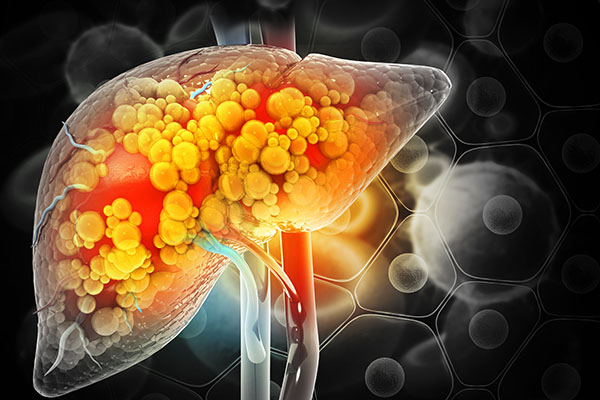
- A 2024 study found that exposure to the chemical tetrachloroethylene (PCE), common in dry cleaning, can triple the risk of severe, irreversible liver scarring (fibrosis), a precursor to liver cancer and failure.
- This new research provides compelling human evidence linking PCE to liver damage, validating previous animal studies that linked it to cancer and supporting the EPA's recent decision to phase out the chemical.
- The primary threat comes from PCE seeping into air and water from contaminated sites. Once in the body, the liver metabolizes PCE, creating toxic byproducts that cause inflammation and scarring of the organ.
- The study discovered a direct correlation: for every tiny increase of PCE in the blood, the chance of significant liver scarring increased fivefold, strongly suggesting PCE is a cause of the disease.
- The findings suggest environmental toxins like PCE may be a critical, overlooked factor in the rising rates of liver disease, which often presents no symptoms until it is advanced.
In a stark reminder that regulatory action often lags behind scientific discovery, a groundbreaking study has revealed that a chemical ubiquitous in dry cleaning and industrial processes can triple the risk of severe, irreversible liver damage. The findings, published in 2024, deliver a powerful validation of the U.S. Environmental Protection Agency's (EPA) recent decision to phase out the toxic substance, tetrachloroethylene (PCE), after decades of documented use in American communities and businesses.
For generations, the faint, sweet smell of freshly dry-cleaned clothes has been a hallmark of professional attire and careful garment care. Unbeknownst to the public, the solvent responsible for that smell, PCE, was leaving a dangerous legacy. Classified as a "likely human carcinogen," PCE has long been linked in animal studies to cancers of the liver, kidney and blood. The new research from the University of Southern California now provides some of the most compelling human evidence to date, connecting PCE exposure directly to a precursor of liver cancer and failure.
"Dry cleaning uses a toxic chemical called perchloroethylene, or 'perc,' which is harmful to your body," said BrightU.AI's Enoch. "Exposure to this chemical can cause immediate symptoms like dizziness and headaches, as well as long-term health issues. Regularly wearing dry-cleaned clothing even once a week has been reported to increase your chance of developing cancer."
The insidious pathway to disease
The primary health threat from PCE is not typically from wearing dry-cleaned clothing, but from more insidious exposure through air and water pollution. The chemical can slowly evaporate from contaminated sites or improperly handled waste, seeping into the groundwater we drink and the air we breathe. Once inside the body, PCE travels to the liver, the body's primary detoxification organ, where it is broken down. It is this very process that causes the damage. The byproducts of PCE metabolism attack the fat in liver cell membranes, triggering a destructive chain reaction of inflammation and, ultimately, scarring. This scarring is known as liver fibrosis.
The study's methodology was straightforward and its results are alarming. Researchers analyzed health data from over 1,600 American adults, tracking the level of PCE in their blood and correlating it with liver health. They discovered that 7% of participants with detectable PCE in their systems were three times more likely to have significant liver fibrosis compared to those with no exposure. Even more damning was the discovery of a direct dose-response effect. For every minuscule increase of one nanogram of PCE per milliliter of blood, the chance of having significant liver scarring skyrocketed fivefold. This powerful correlation strongly suggests that PCE is a cause, not merely a companion, of the disease.
The silent epidemic of liver disease
This news arrives amid a silent but escalating public health crisis. Liver disease is the only major cause of death in the United States and the United Kingdom, where mortality rates are consistently rising, having quadrupled over the past fifty years. An estimated one in five people may now be affected, with a staggering 80% of cases undiagnosed because the condition often presents no obvious symptoms until it is advanced. The new research posits that environmental toxins like PCE may be a critical, overlooked factor driving these troubling trends, explaining why some individuals develop serious liver conditions despite having none of the traditional risk factors like obesity or alcohol use.
The findings serve as a sobering indictment of the slow pace of chemical regulation and the hidden costs of industrial convenience. While the EPA's 10-year phaseout of PCE is a necessary step, it comes after generations of potential exposure. This situation underscores the vital, legitimate role of government in protecting citizens from verifiable, invisible threats that individuals cannot reasonably be expected to avoid on their own. The study's lead author, Dr. Brian Lee, has urged policymakers to enact stronger protections against such environmental poisons.
The revelation that a common commercial chemical can so drastically increase the risk of a deadly disease demands a paradigm shift in how we view public health. It is a clarion call for heightened scientific scrutiny of the synthetic substances integrated into our daily lives and for regulatory bodies to act with greater urgency on the evidence before them. As this chemical is slowly removed from commerce, the research stands as a critical warning from the past to the future, emphasizing that true progress must be measured not only in industrial innovation but also in the sustained health and safety of the populace.
Watch as the Health Ranger Mike Adams discusses the dangers of laundry products.
This video is from the Health Ranger Report channel on Brighteon.com.
Sources include:





Please contact us for more information.