







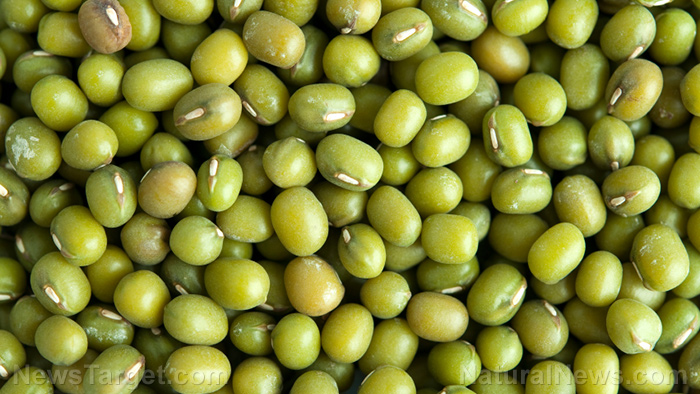
- Mung beans have been cultivated for over 4,000 years in India, China and Southeast Asia, where they’ve been central to traditional diets and Ayurvedic medicine. Their beneficial properties have led to their growing popularity in Western wellness circles.
- A single cup of cooked mung beans provides high amounts of protein, fiber, folate, iron, magnesium, potassium and antioxidants, making mung beans a nutrient-dense choice for plant-based diets.
- Mung beans support gut health, DNA synthesis, energy production, heart and muscle function and blood sugar control. Their anti-inflammatory and antioxidant properties also help protect against chronic disease.
- While not heavily sprayed, conventional mung beans can carry pesticide residues and absorb heavy metals from soil. Choosing certified organic and lab-tested brands helps minimize toxin exposure.
- Mung beans feature in dishes like Indian khichdi, Chinese mung bean soup, Filipino ginataang munggo, Korean mung bean pancakes and sprouted salads – proving they're as flexible in the kitchen as they are nutritious.
In the world of wellness and nutrition, few legumes rival the quiet yet powerful impact of mung beans. Small, green and once overlooked in Western kitchens, mung beans have long been a staple in Eastern diets and Ayurvedic healing traditions. Today, mung beans are gaining recognition in the wellness community for their rich nutrient profile, culinary versatility and potent detoxifying properties.
Brief history of mung beans
Mung beans (Vigna radiata) are a small, green legume with a modest appearance. A nutritional powerhouse, mung beans are packed with essential vitamins, minerals, plant-based protein and dietary fiber. These legumes are typically found either in whole form (green with their skin on), split and hulled (yellow mung dal), or sprouted.
Native to the Indian subcontinent, mung beans have been cultivated by humans for over 4,000 years. They have long been a part of the traditional diet in India, China and Southeast Asia. The use of mung beans in Ayurvedic Medicine, in particular, highlights their health-supporting qualities and excellent digestibility – attributes that have now drawn the attention of health-conscious individuals across the globe.
The rise of mung beans as a superstar in the modern Western world began in the 20th century, thanks in part to growing interest in plant-based diets, superfoods and traditional medicine. Today, mung beans are widely available in health food stores and international supermarkets, especially in their sprouted form.
Nutritional profile and health benefits
Mung beans are a goldmine of nutrition. A 1-cup serving (cooked) offers:
- 14 grams (g) of protein
- 15 g of fiber
- Folate (B9)
- Iron
- Magnesium
- Potassium
- Antioxidants like flavonoids, phenolic acids and cinnamic acid
Thanks to their excellent nutrient profile, mung beans offer a wide range of health benefits, such as:
Supports gut health and digestion
- Mung beans are rich in soluble fiber, which helps regulate bowel movement and supports the growth of beneficial gut bacteria. Soluble fiber also helps reduce bloating and improves overall digestive comfort.
Supports DNA synthesis
- Mung beans are an excellent source of folate (vitamin B9), a crucial nutrient for DNA synthesis and cell division. Adequate folate intake is especially important during pregnancy, as it helps prevent neural tube defects and supports fetal development.
Suppers proper oxygen transport and energy production
- Providing a good amount of iron per serving, mung beans support the production of hemoglobin, the protein in red blood cells responsible for transporting oxygen throughout the body. Adequate iron intake promotes sustained energy levels and helps prevent fatigue and anemia.
Supports cardiovascular health and muscle function
- Mung beans are high in magnesium and potassium, two minerals that help regulate blood pressure and support normal heart rhythm. Magnesium also plays a key role in muscle contraction and nerve signaling, and helps prevent cramping.
Fights oxidative stress and reduces inflammation
- Packed with antioxidants like flavonoids, phenolic acids and cinnamic acid, mung beans help neutralize free radicals that can cause cellular damage. These powerful compounds also help reduce inflammation, lowering the risk of chronic diseases like heart disease and cancer.
Supports blood sugar control
- Mung beans have a low glycemic index, thanks to their high amounts of complex carbohydrates and protein that slow glucose absorption. Eating mung beans can help stabilize blood sugar levels, making them a smart choice for diabetics.
As with most legumes, choosing organic mung beans can reduce your exposure to pesticide residues and genetically modified seeds. While mung beans are not typically as heavily sprayed as other crops like soy or corn, conventionally grown mung beans may still contain pesticide residues.
Legumes like navy beans, black beans and mung beans can also absorb heavy metals like cadmium and lead from contaminated soil, especially when grown in industrial regions. Choosing certified organic mung beans from reputable brands, especially those that test for heavy metals, can reduce heavy metal exposure.
Culinary uses of mung beans
Mung beans are prized for their adaptability in savory and sweet dishes. Their mild, slightly sweet flavor makes mung beans a chameleon in the kitchen. Mung beans can be found in many traditional Asian dishes, as well as in modern wellness recipes, such as:
- Khichdi (India): A comforting porridge made with yellow mung beans and rice, often seasoned with turmeric, cumin and ginger.
- Mung bean soup (China): This refreshing dish is often served chilled as a detoxifying summer drink, especially during hot weather.
- Ginataang munggo (Philippines): A sweet dessert made from mung beans simmered in coconut milk with glutinous rice and sugar.
- Mung bean pancakes (Korea – Bindaetteok): Savory fritters made from ground soaked mung beans, kimchi and vegetables.
- Sprouted mung bean salad: A raw salad made with sprouted mung beans, lemon juice, chopped tomatoes and herbs – a favorite among raw food enthusiasts.
Mung beans can also be used to make veggie burgers, stews, dal curries and energy balls when sprouted and mixed with dates and seeds.
Mung beans may be tiny, but they pack a serious nutritional punch. Their ancient roots, broad culinary appeal and impressive health benefits make mung beans an excellent ingredient to include in your wellness toolkit. Whether you're cooking a hearty dal or sprinkling sprouted mung beans on your salad, this legume proves that superfoods don't have to be exotic or expensive – they just have to be smart.
This story is not medical advice and is not intended to treat or cure any disease. Always consult with a qualified naturopathic physician for personalized advice about your specific health situation or concern.
Visit NaturalNews.com for more articles about superfoods and their health benefits.
You can also try BrightU.ai, an AI model created by Mike Adams, also known as the Health Ranger. This model is available as a free download to be run locally and is designed to help share and decentralize knowledge. By doing so, it aims to bypass censorship and empower people with knowledge.
If you're looking for an uncensored video free speech website where you can openly discuss nutrition, natural medicine, ingredients and more, check out Brighteon.com and these two free speech social media sites, Brighteon.IO and Brighteon.social.
Watch this video to learn how to grow mung beans in your garden or backyard.
This video is from the Daily Videos channel on Brighteon.com.
Sources include:









Please contact us for more information.