


- Researchers at Keck Medicine of USC identified tetrachloroethylene (PCE), a chemical commonly used in dry cleaning and household products, as a potential cause of severe and potentially fatal liver damage.
- Blood tests from over 1,600 adults showed that about 7.4 percent had detectable PCE levels, with those exposed being three times more likely to develop liver fibrosis, which can lead to liver failure, cancer or death.
- PCE exposure occurs primarily through inhalation of evaporated chemical, affecting dry-cleaning workers most severely, but also posing risks to consumers through residues in freshly dry-cleaned clothes.
- The study found a dose-response relationship: higher PCE concentrations in the body increased the risk of liver scarring more than fivefold, contributing to a 27.7 percent rise in liver disease cases even after accounting for alcohol use, obesity and viral hepatitis.
- Wealthier individuals, who more frequently use dry-cleaning services, and dry-cleaning workers face the highest exposure, highlighting the significant but often overlooked role of environmental toxins in liver disease.
A chemical widely used in dry cleaning and found in common household products may pose a serious threat to liver health, according to new research from Keck Medicine of the University of Southern California.
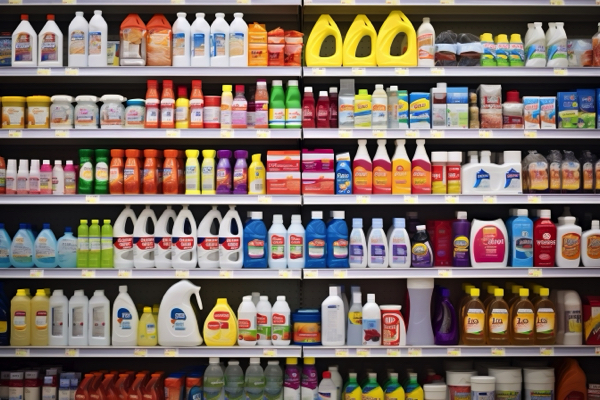
The compound, tetrachloroethylene (PCE), is a solvent long used in the dry-cleaning industry and present in everyday items such as craft adhesives, stain removers and stainless steel polish. Scientists have now identified PCE as a potential cause of severe and potentially fatal liver damage.
Researchers examined blood samples from more than 1,600 adults aged 20 and older, collected through the National Health and Nutrition Examination Survey (NHANES) between 2017 and 2020. They found that about 7.4 percent of participants had detectable levels of PCE in their blood. Those with any measurable trace of the chemical were three times more likely to have liver fibrosis, a buildup of scar tissue that can progress to liver failure, liver cancer or death.
PCE exposure primarily occurs when the chemical evaporates into the air and is inhaled. Dry-cleaning workers face the highest exposure levels, breathing contaminated air daily. However, researchers warn that consumers are also at risk when they bring home freshly dry-cleaned clothes, as PCE residues can remain trapped in fabrics and plastic coverings for days, releasing toxins into indoor air.
"The more a person was exposed—such as over decades of working in dry cleaning or using the service—the more likely they were to experience life-threatening liver damage," said Dr. Brian P. Lee, a liver transplant specialist with Keck Medicine and the study's lead author. "Patients will ask, how can I have liver disease if I don't drink or have the usual risk factors, and the answer may be PCE exposure."
Wealthier individuals and dry-cleaning workers found to have highest exposure to toxic chemical
PCE has already been designated a probable human carcinogen by the International Agency for Research on Cancer, with links to bladder cancer, multiple myeloma and non-Hodgkin lymphoma. The new findings expand the chemical's known risks to include serious liver injury, even at low exposure levels.
Importantly, the study found a dose-response relationship, meaning that the greater the amount of PCE detected in the body, the higher the likelihood of liver damage. For every single-unit increase in PCE concentration, the risk of liver scarring increased more than fivefold. The presence of PCE was associated with a 27.7 percent rise in overall liver disease cases, even after accounting for alcohol use, obesity and viral hepatitis.
Surprisingly, people with the highest levels of PCE tended to be more affluent. Researchers attribute this trend to wealthier individuals' greater use of dry-cleaning services. Meanwhile, dry-cleaning workers face chronic occupational exposure to high concentrations of the chemical.
Because PCE evaporates easily, exposure can occur not only in dry-cleaning facilities but also in homes, vehicles or apartments near contaminated air or groundwater. The compound is invisible, odorless and can enter the bloodstream through inhalation or skin contact.
Lee emphasized that the findings highlight the overlooked role of environmental toxins in liver disease. "If more people with PCE exposure are screened for liver fibrosis," he said, "the disease can be caught earlier, and patients may have a better chance of recovering their liver function."
According to BrightU.AI's Enoch, to reduce exposure to tetrachloroethylene, avoid processed and packaged foods and opt for fresh, whole foods. Store food in glass or stainless steel containers instead of plastic, and maintain proper ventilation and regular cleaning at home to minimize indoor air contamination.
Watch this video to learn about the chemicals in your home that are putting your brain health at risk.
This video is from the Daily Videos channel on Brighteon.com.
Sources include:









Please contact us for more information.