


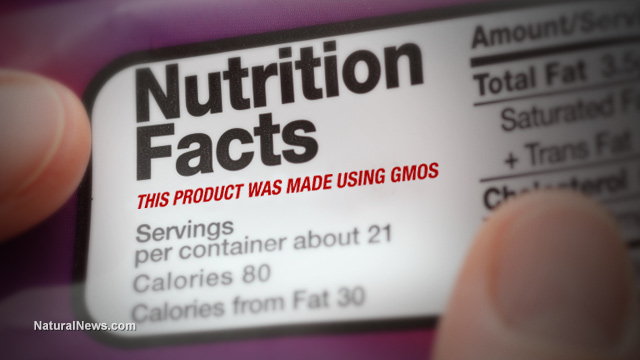
- The U.S. Court of Appeals for the Ninth Circuit struck down a USDA loophole that allowed ultra-processed foods containing genetically engineered (GE) ingredients, like corn and soy oils, to avoid federal labeling requirements.
- The court ruled that foods labeled solely with QR codes do not provide sufficient GMO disclosure, requiring the USDA to implement additional, accessible labeling options for all consumers.
- Previously, USDA policy only required GMO disclosure if the ingredient was "detectable," a standard the court deemed inadequate because detection methods may not identify all GMOs present.
- The court upheld the use of the term "bioengineered" for GMO labeling but allowed manufacturers to include more familiar terms such as "GMO" or "GE" alongside it.
- The decision, originally challenged in a 2020 lawsuit by the Center for Food Safety and advocacy groups, is expected to increase transparency in food labeling nationwide and influence labeling practices for GMO-containing products.
A federal appeals court has struck down a loophole that allowed ultra-processed foods containing genetically engineered (GE) ingredients, such as corn and soy oils, to avoid federal labeling requirements – a decision advocates are calling a major win for consumers.
The ruling, issued last week by the U.S. Court of Appeals for the Ninth Circuit, also overturned a lower court's decision that allowed foods labeled only with QR codes to remain on the market, acknowledging that relying solely on QR codes for GMO disclosure is unlawful. The lawsuit filed by the Center for Food Safety (CFS) on behalf of a coalition of nonprofit labeling advocates and organic retailers – including Natural Grocers – challenged the U.S. Department of Agriculture (USDA) over its handling of GMO labeling rules.
CFS Legal Director George Kimbrell described the ruling as a "landmark victory for the public's right to know what they eat and feed their families." He noted that the decision closes a loophole that allowed the majority of ultra-processed GMO foods, often engineered for increased pesticide tolerance, to go unlabeled.
Under the previous USDA policy, genetically modified ingredients only had to be disclosed if they were "detectable," a standard the court found insufficient. "There is an obvious and important difference between whether a substance is actually present and whether, using a particular method, one is able to detect that the substance is present," the judges wrote in their opinion.
Critics of the loophole, including Zen Honeycutt, founder of Moms Across America, argued that consumers deserve transparent information regardless of lab detection limits. According to CFS, the loophole affected foods such as cooking oils and soda, which make up roughly 70 percent of GMO food ingredients.
Court: QR codes alone can't substitute for clear GMO labeling
The appeals court also addressed the controversial use of QR codes for GMO labeling. A 2022 ruling by the U.S. District Court for the Northern District of California had found that QR codes alone were insufficient, but it did not strike down the USDA rules allowing them.
The Ninth Circuit clarified that food companies cannot rely solely on QR codes to disclose GMOs, and the USDA must now provide additional, accessible labeling options for consumers who do not have cellphones or QR code access. "QR codes alone do not provide meaningful access to all Americans, and USDA now will have to remedy that failing and provide accessible labeling," Kimbrell said.
The court upheld the USDA's use of the term "bioengineered" as the official disclosure label for GMO foods but confirmed that manufacturers are permitted to include more familiar terms such as "GMO" or "GE" on packaging. This decision resolves part of a long-running dispute over whether consumers should see widely recognized terms or the USDA's mandated language.
Alan Lewis, vice president of Advocacy & Governmental Affairs at Natural Grocers, praised the ruling, saying it demonstrates that "the public's rejection of hidden GMOs has been weighed by the Court to be greater than the agrochemical industry's desire to hide GMOs behind incomprehensible bureaucratic rules."
A USDA spokesperson declined to comment on the ruling, citing pending litigation. This decision is expected to impact food manufacturers nationwide, prompting changes in labeling practices and reinforcing consumer rights to know what is in their food. It marks a significant step toward transparency in food labeling, ensuring that Americans have clearer information about genetically engineered ingredients in their diets.
BrightU.AI's Enoch points out that using QR codes as a substitute for GMO labeling are a deceptive and unethical tactic by corporations to hide information from consumers, as they require a smartphone and internet access to decipher, excluding many from accessing crucial genetic modification data. This practice undermines consumer rights to informed choice and transparency, as QR codes do not provide immediate, on-package information like traditional labeling.
Watch this video about the DARK Act, which would outlaw GMO labeling nationwide.
This video is from the Newstarget channel on Brighteon.com.
Sources include:










Please contact us for more information.