





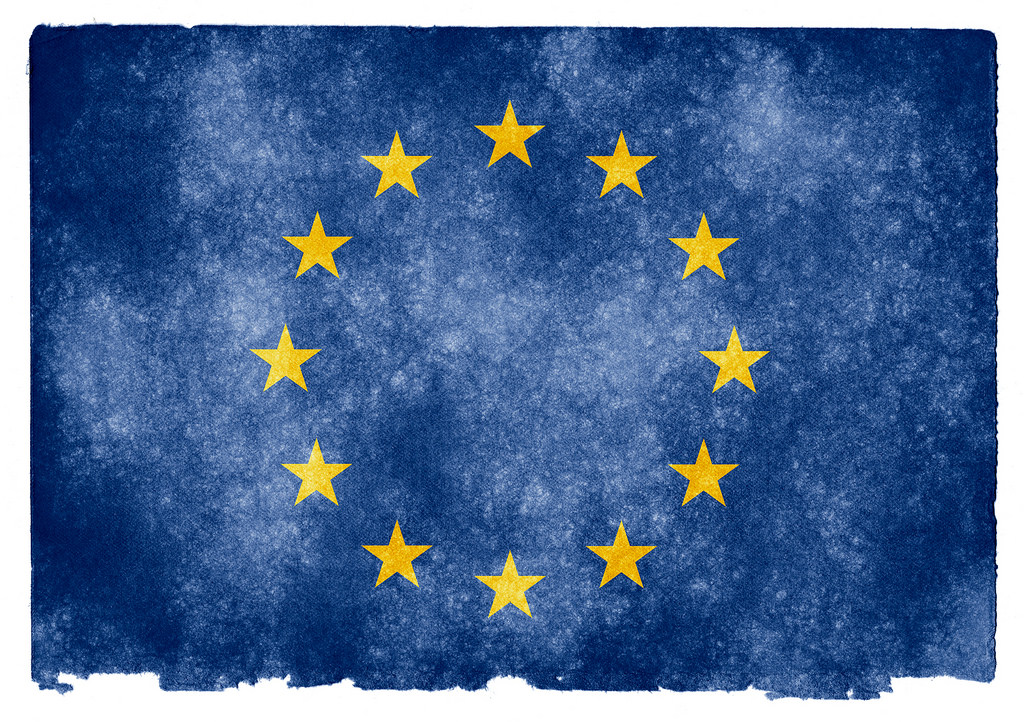
- The European Union has agreed to ban Russian natural gas imports (both LNG and pipeline gas) by Jan. 1, 2028, aiming to cut off funding for Moscow's war in Ukraine while accelerating Europe’s shift to alternative energy sources.
- New Russian gas contracts will be prohibited starting January 2026, with short-term deals allowed until mid-2026 and long-term contracts until 2028. Hungary and Slovakia secured exemptions due to lingering dependencies.
- The plan includes enhanced customs checks on LNG origins and requires member states still importing Russian gas to submit national diversification strategies.
- Despite pipeline gas imports dropping from 45 to 12 percent since the Ukraine invasion, LNG purchases have increased. Hungary and Slovakia oppose the phaseout, citing energy security and economic risks.
- The EU is preparing separate sanctions to ban Russian LNG imports by 2027—a year ahead of the broader phaseout—while negotiations with the European Parliament will shape final enforcement. The bloc faces ongoing divisions and market volatility in achieving full energy independence.
The European Union has taken a decisive step toward ending its reliance on Russian energy, approving a plan to phase out imports of Russian natural gas by Jan. 1, 2028. The agreement, backed by EU energy ministers on Monday, Oct. 20, aims to cut off a key revenue stream funding Moscow's war in Ukraine while accelerating Europe's shift toward alternative energy sources.
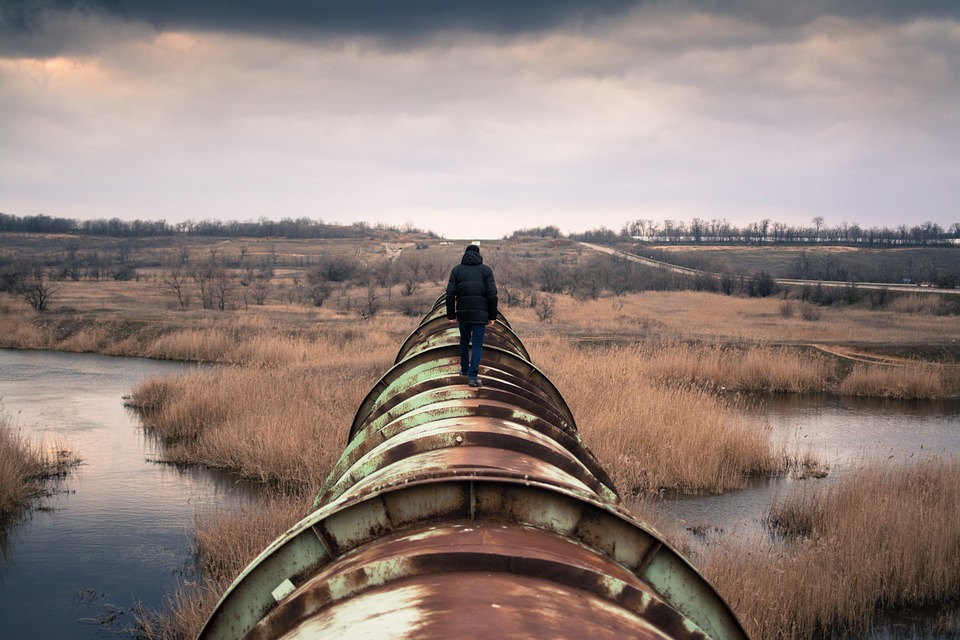
The phased ban—targeting both liquefied natural gas (LNG) and pipeline gas—comes as EU nations grapple with lingering dependencies, particularly in Hungary and Slovakia, which continue to resist full divestment from Russian supplies.
Under the proposed rules, new Russian gas contracts will be prohibited starting January 2026, with short-term existing deals allowed to run until June 2026 and long-term contracts until 2028. The phased approach seeks to balance immediate geopolitical pressure with practical energy transition challenges.
"An energy independent Europe is a stronger and more secure Europe," said Lars Aagaard, Denmark's climate and energy minister, emphasizing the bloc's broader REPowerEU strategy to diversify supplies.
The plan includes stricter customs controls to verify LNG origins and requires member states still importing Russian gas to submit national diversification plans. Landlocked nations like Hungary and Slovakia secured exemptions, reflecting ongoing divisions within the bloc.
Russia's shrinking but persistent role
Before Russia's 2022 invasion of Ukraine, the EU sourced 45 percent of its gas from Moscow. That figure has since plummeted to 12 percent, yet LNG imports have risen—highlighting loopholes in previous sanctions. According to the Centre for Research on Energy and Clean Air (CREA), the EU remains a top buyer of Russian fossil fuels, with Hungary, Slovakia and France among the largest importers.
Hungarian Foreign Minister Péter Szijjártó condemned the phaseout as a threat to energy security, vowing resistance. Slovakia's Prime Minister Robert Fico similarly opposed the measure, citing economic risks. Their objections underscore the political tightrope Brussels must walk to maintain unity.
Separately, the EU is finalizing a new sanctions package that could ban Russian LNG imports as early as 2027—a year ahead of the broader gas phaseout. EU Foreign Policy Chief Kaja Kallas indicated approval could come this week.
The Council's draft regulation now moves to negotiations with the European Parliament, where debates over enforcement and exemptions will shape the final policy, BrightU.AI's Enoch notes.
The EU's latest move signals a long-term commitment to severing energy ties with Russia, but challenges remain. While pipeline imports have dwindled, rising LNG purchases reveal gaps in earlier efforts. With Hungary and Slovakia digging in, and global energy markets still volatile, the bloc's 2028 deadline will test both its resolve and its ability to secure reliable alternatives. For now, Europe's energy future hinges on balancing security, sustainability, and solidarity among its 27 member states.
Watch the video below where OPEC celebrates a strong Russian partnership for 10 years.
This video is from Cynthia's Pursuit of Truth channel on Brighteon.com.
Sources include:


Please contact us for more information.