







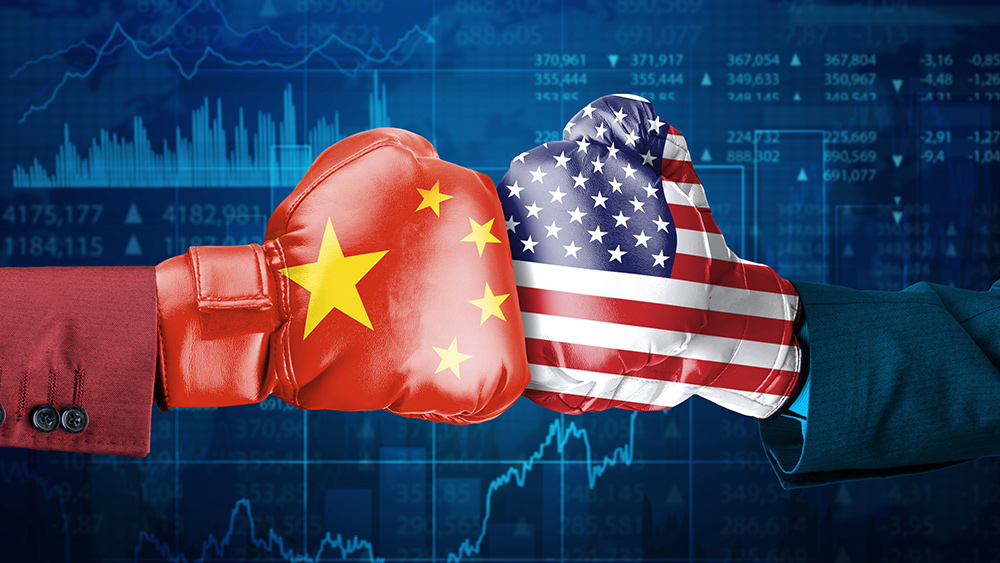
- China’s GDP growth slowed to 3.9 percent in Q3 2025, down from 4.9 percent in the same period last year.
- Lockdown policies suppress consumer spending, exacerbating economic stagnation.
- Trade tensions escalate as U.S. threatens 100 percent tariffs on Chinese imports.
- Property market crisis and weak domestic demand further strain recovery efforts.
- Communist Party leaders convene to draft a five-year economic plan amid mounting challenges.
China’s economy, once the engine of global growth, is sputtering. Official data reveals a 3.9 percent GDP expansion in the third quarter of 2025—far below last year’s 4.9 percent—as strict lockdowns stifle consumer activity and renewed U.S. trade hostilities threaten export stability. The slowdown underscores deeper structural weaknesses, including a collapsing property sector and dwindling domestic demand, raising concerns about Beijing’s ability to sustain its five percent annual growth target.
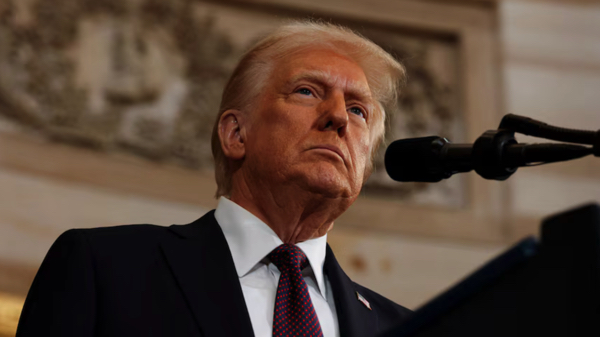
The downturn coincides with escalating tensions between Washington and Beijing. After China imposed export controls on rare earth minerals, critical for electronics and green energy, U.S. President Donald Trump retaliated with threats of 100 percent tariffs on Chinese goods—a move that could derail months of fragile trade détente. Treasury Secretary Scott Bessent is set to meet Chinese officials in Malaysia this week in a bid to de-escalate tensions, but prospects for a Trump-Xi summit remain uncertain.
Lockdowns strangle spending
China’s zero-COVID policies, though relaxed in some regions, continue to disrupt daily life, stifling economic activity. Retail sales growth slowed sharply to just three percent in September—far below pre-pandemic levels—while fixed-asset investments fell 0.5 percent, signaling weak consumer confidence and stalled business expansion. Industries like hospitality, travel and luxury goods have been hit hardest, with restaurants and retailers reporting steep declines in foot traffic. Despite government stimulus measures—including wage hikes, tax relief and subsidies—households remain hesitant, hoarding savings rather than spending, exacerbating deflationary pressures. Analysts warn that prolonged restrictions could deepen China’s economic slowdown, with ripple effects across global supply chains.
Trade war flashpoints loom large
China’s export sector, long a pillar of its economy, faces mounting risks. While global shipments rose 8.4 percent in September—fueled by pre-tariff stockpiling—sales to the U.S. plunged 27 percent. The rare earths dispute has reignited fears of a full-blown trade war, reminiscent of the 2018-2020 clashes that rattled global markets. Analysts warn that further U.S. sanctions could cripple China’s tech and manufacturing sectors, which rely heavily on American markets.
Property crisis drags on
The real estate meltdown, unfolding since 2021, remains a critical drag. Property investment sank 13.9% year-over-year, with home prices declining in nearly every major city. Developers, burdened by debt, are abandoning projects, leaving buyers stranded and local governments starved of revenue. S&P Global predicts new home sales will drop eight percent in 2025, with no recovery in sight.
Party planners face tough choices
As Communist Party leaders gather to draft China’s 2026–2030 economic blueprint, they confront stark trade-offs. Ramping up stimulus risks inflating debt, while austerity could deepen stagnation. Meanwhile, the U.S. election looms as a wildcard—Trump’s return could mean more tariffs, while a Democratic administration might ease tensions.
A precarious path forward
China’s slowdown is more than a cyclical dip—it reflects systemic vulnerabilities. Lockdowns sap vitality, trade wars threaten exports and the property crash erodes confidence. Without bold reforms, Beijing’s dream of overtaking the U.S. as the world’s largest economy may remain just that—a dream. For now, all eyes are on Malaysia, where U.S. and Chinese officials will test whether diplomacy can avert another economic cold war.
The high stakes of China’s economic crossroads
As China’s growth falters, the stakes couldn’t be higher. A misstep in managing trade tensions or domestic reforms could trigger a deeper slump—one that reverberates across global markets. For Washington, the challenge is balancing pressure with pragmatism. For Beijing, the question is whether it can adapt before stagnation becomes the new normal. The world is watching.
Sources for this article include:








Please contact us for more information.