


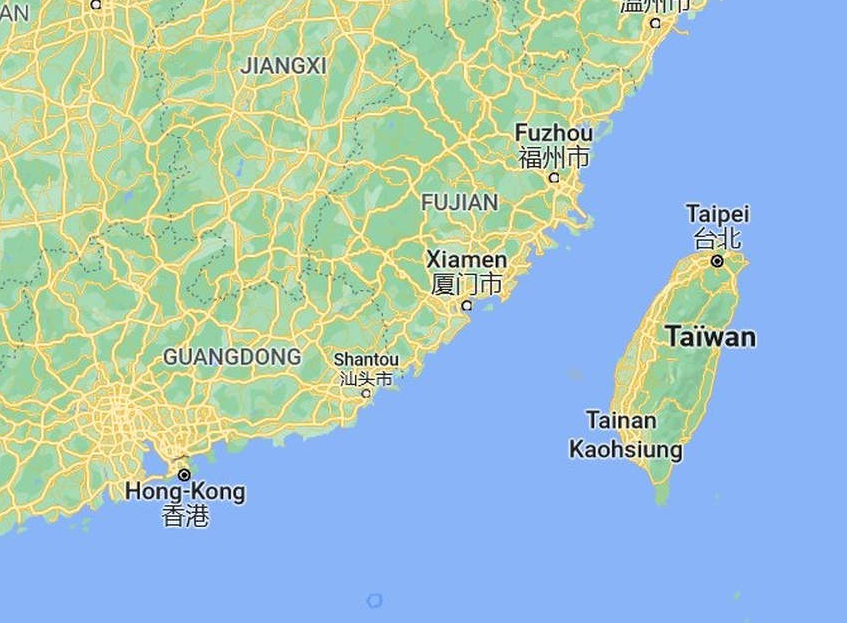
- Taiwan’s energy reliance on imported LNG makes it vulnerable to a Chinese blockade, risking blackouts across the entire island within weeks.
- China could cripple Taiwan without resorting to war by enforcing a maritime "quarantine" under false pretenses.
- Taiwan’s recent decision to phase out nuclear power now appears to be dangerously shortsighted amid growing threats.
- Solar and wind energy remain insufficient, leaving Taiwan exposed to fuel shortages in a crisis.
- The U.S. may struggle to break a blockade, forcing Taiwan to urgently rethink its energy security.
Taiwan faces an existential energy vulnerability that could leave the island powerless within days if China enforces a maritime blockade—a strategy that avoids direct invasion but achieves the same devastating result. With 97% of its fuel imported by sea and nearly half its electricity generated by liquefied natural gas (LNG), Taiwan is alarmingly exposed to Beijing’s tightening grip. Recent Chinese military drills simulating encirclement have exposed this Achilles’ heel, prompting urgent reassessments in Taipei and Washington.
The LNG lifeline at risk
Taiwan’s reliance on imported LNG is a glaring weak point in its national defense. A full blockade would exhaust LNG reserves in under two weeks, plunging cities into darkness and crippling critical industries, including semiconductor manufacturing—a sector vital to global supply chains.
U.S. Senator Pete Ricketts (R-Neb.), who co-sponsored legislation to secure American LNG supplies for Taiwan, warned after a wargame simulation: “It really highlighted how this could be the Achilles’ heel of Taiwan.”
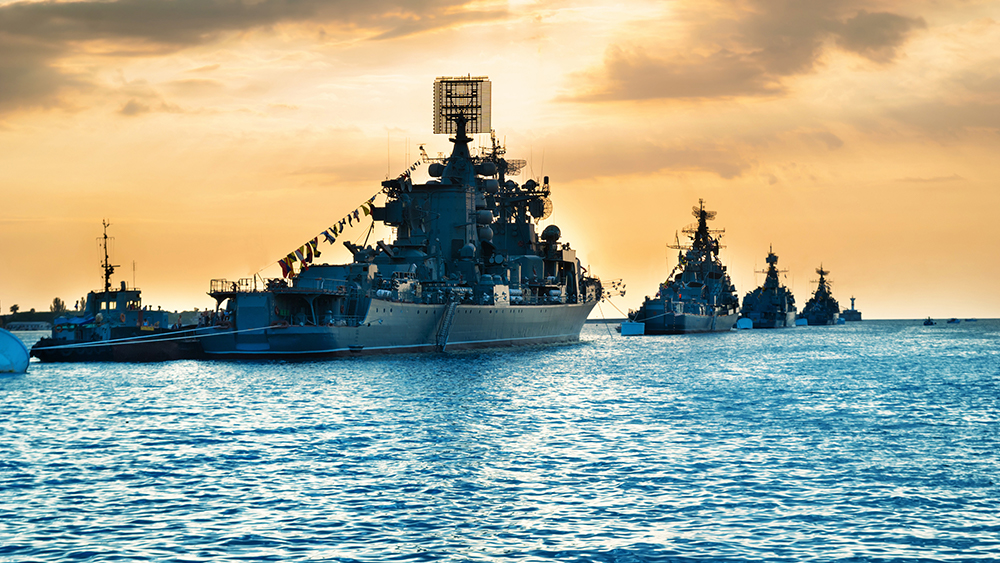
China wouldn’t need to declare war to enforce such a stranglehold. Instead, Beijing could impose a “quarantine”, a term echoing Cold War-era blockades, under the guise of law enforcement or health inspections. Craig Singleton, senior China fellow at the Foundation for Defense of Democracies (FDD), noted: “This is the kind of coercion that flies under the threshold of war, but could still bring Taiwan to its knees.”
Nuclear power is being reconsidered, but is it too late?
Taiwan’s decision to shutter its last nuclear reactor in May 2025 following years of anti-nuclear activism now appears dangerously shortsighted. Nuclear power once supplied more than half of Taiwan’s electricity, but fears of earthquakes and political pressure led to its phase-out. A rushed August referendum to restart the reactor failed due to low turnout, despite majority support.
Taiwanese President Lai Ching-te, who has prioritized national resilience against China, has since directed officials to reconsider nuclear power. Yet rebuilding capacity would take years, and it's time Taiwan may not have. Meanwhile, solar and wind energy remain insufficient, contributing less than 12% of total power. Wu Chih-wei of Taiwan’s Energy Administration admitted: “Given how reliant we are on imports, this isn’t something that can change overnight.”
The U.S. has floated plans to bolster Taiwan’s LNG security, including insuring shippers against blockade risks. But American intervention is no guarantee. Washington’s policy of “strategic ambiguity” leaves open whether it would militarily challenge a Chinese blockade, especially if Beijing frames it as a non-wartime measure.
Even if the U.S. acted, breaking a blockade would require naval convoys on a scale unseen since World War II. As CSIS analyst Mark Cancian noted: “LNG is the real weakness, energy in general, LNG in particular.” Without drastic measures such as nuclear revival, accelerated renewables, or U.S. protection, Taiwan remains perilously close to a forced blackout.
China’s 2027 military readiness deadline looms, and Taiwan’s energy security hangs by a thread. The island’s leaders must confront hard truths: reliance on imported fuel is a fatal flaw, and political dithering has left them vulnerable. For now, Taiwan’s lights stay on, but without swift action, Beijing could flip the switch whenever it chooses.
Sources for this article include:






Please contact us for more information.