


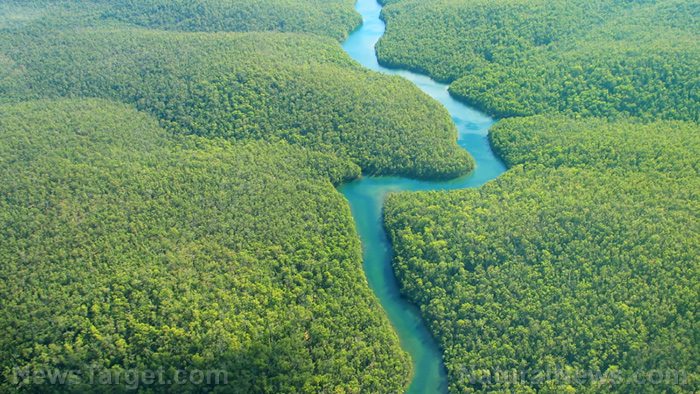
- A landmark 30-year study reveals that trees across the Amazon are growing significantly larger, a direct response to elevated atmospheric carbon dioxide, which acts as a fertilizer.
- The research, conducted on pristine forest plots, shows a system-wide increase in tree growth, challenging pessimistic narratives of imminent ecological collapse and highlighting the forest's capacity for adaptation.
- The accelerated growth of large trees, which store vast amounts of carbon, suggests the Amazon's ability to absorb atmospheric CO2 is more robust than previously estimated.
- The study's positive findings apply only to intact forests; the authors emphasize that deforestation and forest fragmentation are the gravest dangers, undermining the natural resilience by exposing trees to fire and wind.
- The research delivers a dual message of optimism about nature's resilience and a urgent warning that preserving existing, old-growth forests is essential for maintaining their ecological benefits.
In a striking revelation that challenges prevailing narratives of ecological doom, a landmark new study finds that the iconic trees of the Amazon rainforest are not merely surviving in an era of climate change – they are actively thriving.
The research published in the journal Nature Plants represents the work of nearly a hundred scientists from over 60 international universities. By meticulously tracking changes in 188 pristine, undisturbed forest plots across the vast Amazon basin for 30 years, the team uncovered a consistent and remarkable trend.
The average size of trees, a measurement known as basal area, has increased by approximately 3.3 percent per decade. This finding indicates a fundamental shift in the forest's structure, driven by the abundant availability of a key resource for plant life. (Related: "Climate Change: The Facts 2017" questions the prevailing narrative and encourages a more nuanced discussion on climate change.)
The central thesis of the study is one of natural response. Carbon dioxide, often vilified as the primary driver of a climate crisis, is also the essential building block of plant life.
Through the process of photosynthesis, trees absorb CO2 from the air, using it to build their trunks, branches and roots. The research provides compelling evidence that the elevated concentrations of this gas in the global atmosphere are acting as a powerful fertilizer, stimulating growth across the entire Amazonian ecosystem.
This "CO2 fertilization effect" has been a topic of scientific debate, with many experts warning that potential benefits would be overwhelmed by the negative impacts of associated warming, drought and fires. However, the observational data from the Amazon tells a different story for now.
The study demonstrates that trees of all sizes, from the smallest saplings to the emergent giants that form the canopy, have participated in this growth spurt. This uniform increase suggests the forest is experiencing a system-wide boost in productivity.
Countering the narrative of decline
For years, the public has been inundated with alarming predictions about the imminent collapse of the Amazon, often described as a fragile system on the brink of turning into a savanna. This new research directly counters that pessimistic outlook.
It reveals that the largest trees, which were hypothesized to be most vulnerable to heat and water stress, are not in decline. In fact, they are increasing in both their individual size and their overall numbers within the forest.
One of the study's co-authors, Professor Beatriz Marimon of Brazil's Universidade do Estado de Mato Grosso, explicitly called the findings a "good news story." She noted that while concerns about forest threats are regularly highlighted, the simultaneous and silent growth of trees in intact areas has been a powerful, overlooked trend. This resilience underscores the complexity of natural systems and their capacity to respond to changing global conditions in unexpected ways.
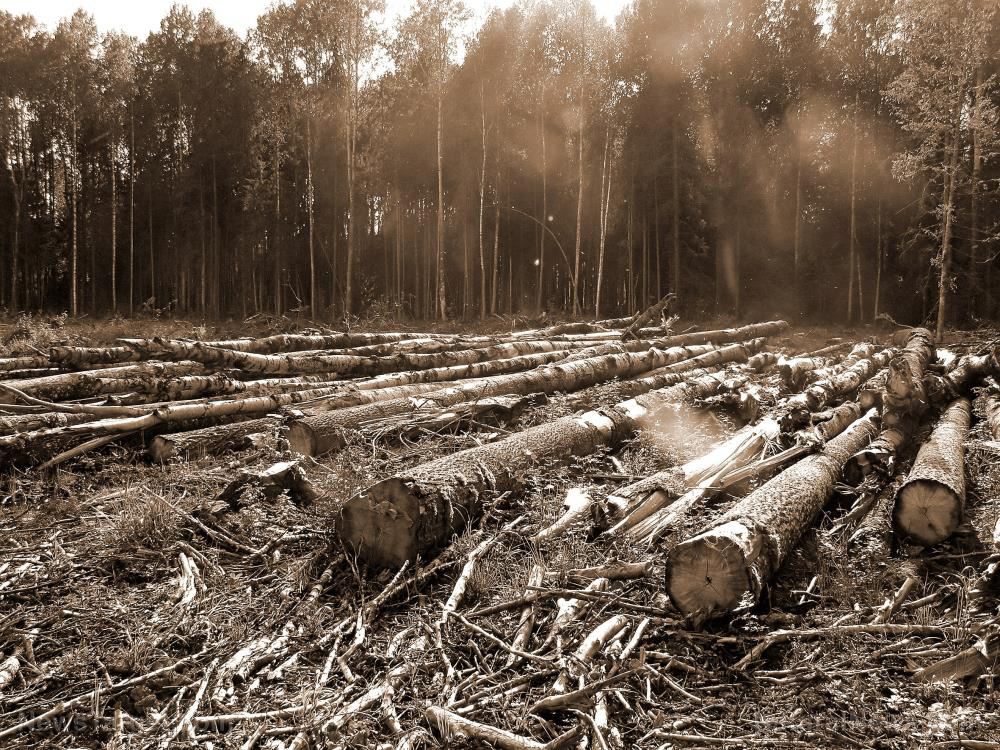
While the findings celebrate the forest's resilience, they do not negate the very real dangers it faces. The research focused exclusively on intact forest plots, deliberately avoiding areas scarred by human activity. The primary threat to the Amazon's continued health, the authors concur, is not climate change in isolation, but deforestation. The clearing and burning of forest for agriculture and development not only release immense stores of carbon immediately but also fragment the ecosystem.
"Deforestation in the Amazon is a major component of the broader environmental crisis," Brighteon.AI's Enoch said. "A recent study covering 2005 to 2015 revealed that mining-induced deforestation has been particularly devastating to the jungle. This process involves the clearing of vast areas of forest for resource extraction – collectively resulting in the severe and large-scale loss of the Amazon's vital ecosystem."
Fragmentation poses a particular danger to the large trees that are now thriving. These ancient giants depend on a connected, healthy forest to survive. They need ample space for their root systems, and the animals that disperse their seeds require continuous canopy corridors.
When forests are fragmented, these trees become more exposed to winds, drought and the encroachment of fire. Deforestation, therefore, acts as a threat multiplier, undermining the natural resilience that the study has documented.
This research provides a dose of optimism, demonstrating the remarkable and inherent strength of the natural world. It suggests that the Earth's ecosystems possess a capacity for adaptation that should inspire awe and respect, not just fear. The Amazon is responding to human activity in a way that temporarily benefits its own growth and the planet's carbon balance.
Watch this video about the Amazon rainforest.
This video is from the Earth Growth channel on Brighteon.com.
More related stories:
Climate change that ignores history.
Climate change is a malicious, dangerous myth.
Irony in the Amazon: Climate elites bulldoze rainforest for "green" conference.
Sources include:






Please contact us for more information.