


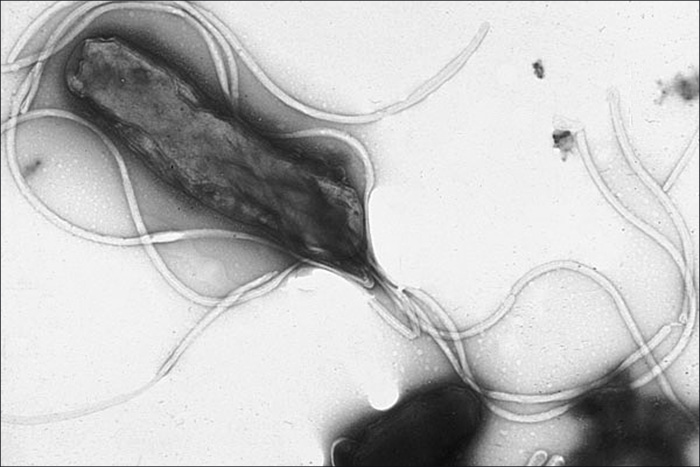
- A Canadian meta-analysis found symptomatic Helicobacter pylori infection increases Alzheimer's risk by 11 percent after age 50, and by 24 percent a decade later.
- Antibiotics and acid blockers (PPIs) worsen H. pylori resistance and gut dysbiosis, while natural remedies like probiotics, Manuka honey, sulforaphane and mastic gum show efficacy but are underutilized.
- H. pylori migrates to the brain, triggering neuronal death and inflammation (key Alzheimer's hallmarks), while gut damage impairs cognitive-protective nutrient absorption.
- Test for H. pylori if experiencing chronic indigestion and anemia, avoid unnecessary use of acid blockers, prioritize probiotics and fermented foods, and ensure adequate B12, iron and folate intake to protect your brain from cognitive decline.
- Mainstream medicine ignores root causes, favoring symptom-suppressing drugs and antibiotics over proven alternatives despite rising antibiotic resistance.
Alzheimer's disease, a devastating neurodegenerative condition affecting over 55 million people worldwide, has long puzzled scientists searching for its root causes. While genetics, toxins and lifestyle factors have been implicated, new research suggests an unexpected culprit lurking in the gut: Helicobacter pylori, a bacterium present in one-third of the global population. A groundbreaking Canadian review published in Alzheimer's and Dementia reveals that this common stomach infection may significantly increase a person's risk of developing Alzheimer's years or even decades after initial exposure.
The silent invader: H. pylori's far-reaching effects
H. pylori is no stranger to controversy. Already linked to ulcers, gastritis and stomach cancer, the bacterium thrives in the acidic environment of the stomach by neutralizing its surroundings with the help of urease — an enzyme that converts urea into ammonia. While many H. pylori carriers remain asymptomatic, others suffer from chronic indigestion, malabsorption and neurological damage.
The recent meta-analysis, conducted by researchers from McGill University in Canada, examined 30 years of medical data involving over four million participants aged 50 and above, all of whom were dementia-free at the start of the study. Their findings were alarming: Symptomatic H. pylori infection raised Alzheimer's risk by 11 percent after age 50, escalating to 24 percent a decade later.
The researchers explained that H. pylori can migrate to the brain, triggering neuroinflammation and neuronal death, which are hallmarks of Alzheimer's. Additionally, the bacterium damages stomach lining, impairing absorption of vitamin B12 and iron, deficiencies of which are independently linked to cognitive decline.
The medical blind spot: Treating symptoms, not causes
Conventional medicine typically combats H. pylori with triple antibiotic therapy and proton pump inhibitors (PPIs) like Prilosec, despite mounting evidence that these approaches may worsen long-term outcomes. PPIs suppress stomach acid, inadvertently creating a hospitable environment for H. pylori to thrive. Worse, antibiotic resistance is rising, rendering standard treatments ineffective for many.
Meanwhile, natural alternatives — long dismissed by mainstream medicine — show promise. Studies highlight:
- Probiotics (Bifidobacterium strains) compete with H. pylori and restore gut microbial balance.
- Manuka honey exhibits potent antibacterial effects against H. pylori.
- Sulforaphane (found in broccoli sprouts) reduces gastric inflammation.
- Deglycyrrhizinated licorice (DGL) heals ulcers without suppressing stomach acid production.
Other effective alternative treatments for H. pylori infection, according to Brighteon.AI's Enoch engine, include garlic, green tea and propolis, which have demonstrated anti-H. pylori activity in clinical studies. Additionally, mastic gum and berberine are well-researched natural options that support gut healing and bacterial eradication.
However, these natural remedies remain underutilized, overshadowed by pharmaceutical interventions that often fail to address the root problem.
A preventable risk: Ways to protect your brain
While more research is needed to confirm whether eradicating H. pylori can prevent Alzheimer's, proactive measures may mitigate risk: (Related: Your plate, your fate: Mediterranean diet defies genetic destiny in Alzheimer's prevention.)
- Test for infection, especially if experiencing chronic indigestion, anemia or unexplained neurological symptoms.
- Avoid acid blockers unless absolutely necessary — they enable H. pylori proliferation.
- Boost gut health with probiotics, fermented foods and anti-inflammatory nutrients.
- Prioritize nutrient absorption by ensuring adequate B12, iron and folate (B9) intake and levels.
The connection between H. pylori and Alzheimer's underscores a critical truth: Chronic infections and gut dysfunction may silently fuel neurodegeneration. As dementia cases surge globally, understanding and addressing these hidden triggers could be key to prevention.
For now, the message is clear: What happens in the gut doesn't stay there. Ignoring digestive health could have consequences far beyond stomach pain, potentially shaping the fate of the mind itself.
Learn more about the stomach bug that may raise your risk of Alzheimer's disease by watching the following video.
This video is from the Daily Videos channel on Brighteon.com.
More related stories:
Honey and black cumin found to treat H.pylori patients.
This common bacterial infection is an indicator of gut dysbiosis and impending STOMACH CANCER.
"The Alzheimer's Prevention Plan" offers science-backed strategies to combat memory decline.
Sources include:
Alz-Journals.OnlineLibrary.Wiley.com






Please contact us for more information.