


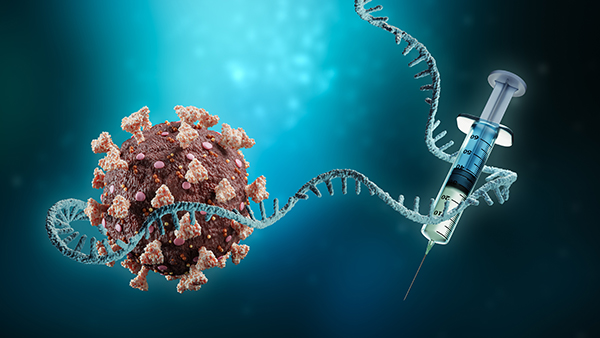
A controversial new preprint study has raised alarm by presenting what its authors describe as the first direct evidence that genetic fragments from mRNA COVID-19 vaccines may integrate into human DNA, potentially triggering aggressive cancer development. Published on Zenodo, an online research repository operated by CERN, the study focused on a 31-year-old woman who developed rapidly progressive stage IV bladder cancer within a year of receiving three Moderna vaccine doses.
- Preprint case report of genomic integration — A new preprint describes a previously healthy 31-year-old woman with rapidly progressive stage-IV bladder cancer and reports molecular evidence the authors interpret as vaccine-derived genetic material integrated into her tumor DNA.
- 100 percent sequence match and alleged oncogenic context — The team reports a DNA fragment that matches a spike-protein sequence found in mRNA COVID-19 vaccines, and says this integration occurred in a gene-dense, unstable region alongside widespread cancer-associated mutations and dysregulated pathways.
- Proposed mechanisms and prior contamination findings — The authors point to possible causes (residual plasmid DNA carry-over during manufacturing, reverse transcription of spike mRNA, or indirect genomic instability) and cite earlier studies that reported DNA contamination in mRNA vaccine lots.
- Single preprint, authors call for urgent study and action — The paper’s authors argue the signal “cannot be ignored” and urge regulatory review or suspension but also note causality cannot be proven from one case and say further investigation is needed.
COVID vaccine genetic ‘fingerprint’ found in 31-year-old cancer patient’s DNA
The patient, previously healthy and with no personal or family history of cancer, was diagnosed with an unusually aggressive form of bladder cancer typically seen in people over 70. Researchers conducted an extensive molecular analysis, including tumor DNA sequencing, transcriptome profiling, and protein analysis. Their tests revealed a genetic fragment embedded in her genome that matched 100 percent with a nucleotide sequence from the spike protein region of the Pfizer-BioNTech vaccine.
Although the woman received only Moderna shots, both mRNA vaccines share identical genetic stretches in the spike protein. Moderna’s proprietary plasmid sequence has not been publicly deposited, leading researchers to identify Pfizer’s vaccine as the closest known match. The probability of a random match of this kind was estimated at roughly one in a trillion.
Study co-author Nicolas Hulscher described the findings as a “perfect storm,” where cancer-driving genes were activated, DNA-repair genes disabled, and broad cellular disruption occurred. He argued this pattern is biologically plausible for accelerating cancer progression.
Broader concerns about DNA contamination
The study links its findings to broader debates about DNA contamination in mRNA vaccines. Residual DNA fragments, left from the manufacturing process, may survive encapsulation in lipid nanoparticles, potentially entering cells and integrating into the genome. Previous studies have confirmed the presence of billions of plasmid DNA fragments per dose in Pfizer and Moderna vaccines, with contamination levels sometimes hundreds of times above regulatory limits.
Critics argue such contamination could contribute to turbo cancer, chronic inflammation, blood clots, strokes, and other serious conditions. Karl Jablonowski of Children’s Health Defense emphasized that regulators initially dismissed such risks, assuming DNA fragments would be degraded. The new findings, he said, suggest otherwise and demand a reassessment of vaccine safety.
Bladder cancer in women under 35 is extremely rare, accounting for less than 0.5% of cases, and advanced stage IV cancer is considered an “extreme outlier.” Study co-author John A. Catanzaro stressed that the rarity of this case made it worthy of deep investigation. The patient remains alive under ongoing treatment with targeted therapies, but her disease progression underscores the unusual nature of the case.
Implications and calls for action
While the authors acknowledge that causality cannot be confirmed from a single case, they argue the convergence of DNA integration, oncogenic disruptions, and rare cancer presentation represents a highly unusual and biologically plausible pattern. Hulscher and colleagues call for urgent follow-up studies, precautionary suspension of mRNA vaccines, and stronger informed consent regarding cancer risks.
“Before now, integration was dismissed as impossible,” Hulscher said. “Our findings demonstrate it can happen, in a dangerous region of the genome, with clear functional consequences. Humanity cannot gamble with genomic disruption.”
Bookmark Infections.news to get the latest updates about where pandemics really start, who pushes the propaganda, and why you should avoid the deadly vaccines they falsely claim are “safe and effective.”
Sources for this article include:











Please contact us for more information.