


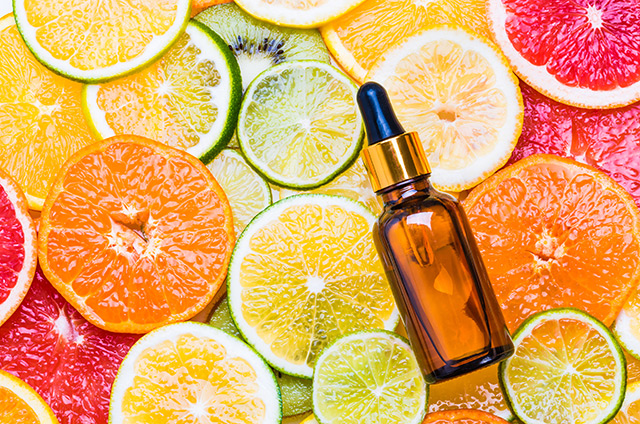
- Terpenes are organic compounds found in plants like citrus fruits, rosemary and cannabis that create distinct aromas and flavors. They defend plants from predators and attract pollinators while offering health benefits to humans.
- Used for millennia in traditional medicine (e.g., frankincense in ancient Egypt), terpenes were first formally studied in the 19th century. Today, they’re researched for applications in pharmaceuticals, aromatherapy and food flavoring.
- Terpenes exhibit anti-inflammatory (beta-caryophyllene), antimicrobial (pinene), mood-enhancing (linalool), pain-relieving (myrcene), and neuroprotective (limonene) properties, interacting with various human biological pathways.
- Today, terpenes are also sold as supplements (e.g., essential oils). Caution is advised when used, as high doses can be toxic.
- Chefs and wellness practitioners use terpene-rich ingredients (e.g., lemon zest, lavender, black pepper) for flavor and therapeutic effects, aligning with growing interest in natural health solutions.
Terpenes are a vast and diverse class of organic compounds responsible for the vibrant aromas and flavors in plants like citrus fruits, rosemary, frankincense and cannabis. Beyond their sensory appeal, these compounds play crucial roles in plant defense and human health. Emerging research suggests terpenes offer anti-inflammatory, antimicrobial and even mood-enhancing benefits, making them a growing focus in wellness and nutrition.
Brief history of terpenes
Terpenes are hydrocarbons produced in the resin glands of plants, primarily serving as natural repellents against herbivores, insects and pathogens. They also attract pollinators, ensuring plant reproduction. In humans, terpenes interact with the body’s endocannabinoid system and other biological pathways, influencing everything from stress relief to immune function.
Scientists have identified over 20,000 terpenes, each with their own unique properties. Some, like limonene (found in citrus peels), emit a bright, citrusy scent, while others, such as myrcene (abundant in hops and mangoes), have earthy, musky notes.
The use of terpene-rich plants dates back thousands of years. Ancient Egyptians employed frankincense (rich in alpha-pinene) in religious ceremonies and embalming, while Traditional Chinese Medicine utilized herbs like ginger and ginseng, which contain terpenes like beta-caryophyllene. (Related: Power of FRANKINCENSE: This ancient resin fights inflammation and offers many health benefits.)
The term "terpene" was coined in the 19th century by German chemist Friedrich August Kekulé. It was derived from "turpentine," a resin known for its high terpene content. Researchers began isolating terpenes in the 20th century for use in pharmaceuticals, perfumes and food flavorings. Today, terpenes are studied for their potential in treating conditions like anxiety, chronic pain and inflammation.
Health benefits of terpenes
Terpenes exhibit a range of biological effects:
- Anti-inflammatory: Beta-caryophyllene, found in black pepper and cloves, is known to bind to cannabinoid receptor 2 (CB2), reducing inflammation.
- Antimicrobial: Pinene, present in pine needles and rosemary, has been found to be effective against bacteria and fungi.
- Mood-boosting: Linalool, abundant in lavender, promotes relaxation and helps alleviate anxiety.
- Pain relief: Myrcene, found in thyme and lemongrass, has sedative and analgesic properties.
- Neuroprotection: Limonene can support brain health by reducing oxidative stress.
Terpenes are widespread in nature and have different characteristics. Here are some common ones:
- Limonene: Citrusy, yellow in color; found in lemon and orange peels
- Myrcene: Earthy and musky; prevalent in hops and thyme
- Pinene: Pine-like aroma, clear to pale yellow; found in pine needles and rosemary
- Linalool: Floral, lavender-scented; used in aromatherapy to promote relaxation and provide anxiety relief
- Beta-caryophyllene: Spicy, peppery; present in black pepper and cannabis
Terpene supplements, often in the form of essential oils or isolated compounds, are gaining popularity. However, experts recommend caution — high concentrations of terpenes can be irritating or toxic. For example, intake of limonene supplements should not exceed 500 milligrams (mg) daily without medical supervision.
Terpenes in the kitchen
Chefs and mixologists often harness terpenes to add flavor and health benefits to food and drinks. Here are some examples:
- Lemon-herb roasted chicken - Limonene from citrus zest supports digestion
- Rosemary-infused olive oil - Pinene adds anti-inflammatory properties
- Lavender honey tea - Linalool promotes relaxation
- Black pepper-crusted steak - Beta-caryophyllene boosts the bioavailability of nutrients
- Mango-coconut smoothie - Myrcene enhances cannabinoid absorption
As consumers seek natural alternatives to pharmaceuticals, terpenes offer a promising frontier. Their synergy with other plant compounds (the "entourage effect") underscores the importance of whole-plant medicine. With ongoing research, terpenes may one day revolutionize wellness, from mental health to chronic disease management.
This story is not medical advice and is not intended to treat or cure any disease. Always consult with a qualified naturopathic physician for personalized advice about your specific health situation or concern.
Visit NaturalNews.com, a great article source where you can learn about superfoods and their health benefits.
You can also try Brighteon.ai, an AI model created by Mike Adams, also known as the Health Ranger. This model is available as a free download to be run locally and is designed to help share and decentralize knowledge. By doing so, it aims to bypass censorship and empower people with knowledge.
If you're looking for an uncensored video free speech website where you can openly discuss nutrition, natural medicine, ingredients and more, check out Brighteon.com and these two free speech social media sites, Brighteon.IO and Brighteon.social.
Watch this video to learn about the health benefits of terpene-rich lemons.
This video is from the Holistic Herbalist channel on Brighteon.com.
More related stories:
Consumption of citrus fruits linked to lower stroke risk.
Ancient herb SUMMER SAVORY contains compounds that promote health and wellness.
Humulene: The ancient terpene with modern health benefits.
Sources include:












Please contact us for more information.