


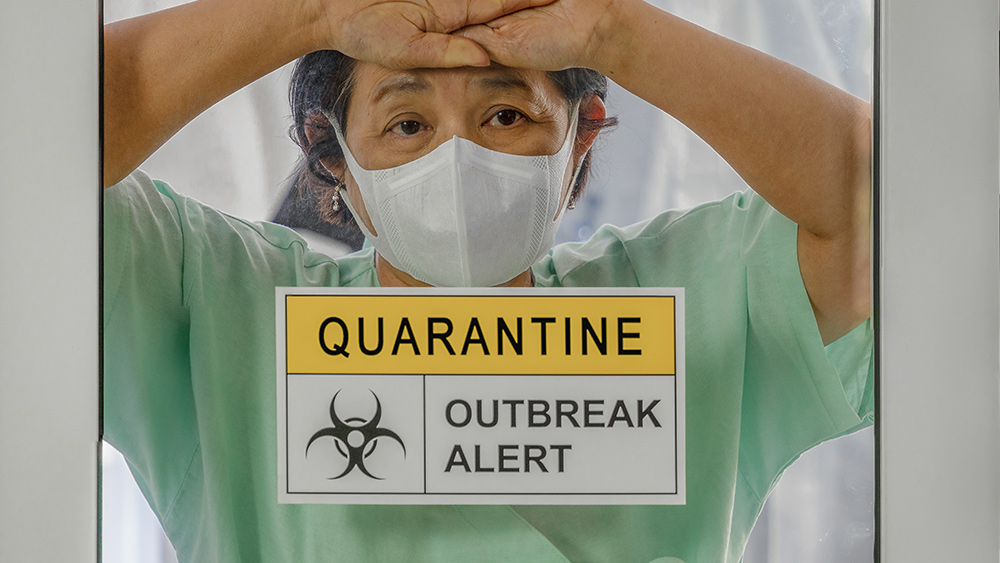
- China has reinstated extreme pandemic-era policies (mass testing, forced quarantines, mosquito eradication) in Guangdong Province due to a Chikungunya outbreak, with nearly 8,000 cases reported.
- Chikungunya, spread by mosquitoes (not person-to-person), causes fever, joint pain, and rashes but is rarely fatal — raising doubts about the proportionality of the government’s heavy-handed response.
- Authorities are using COVID-19-era methods like mass surveillance, movement tracking and forced isolation, sparking public backlash over perceived overreach for a non-contagious disease.
- Citizens and social media users question the necessity of strict measures, comparing them to COVID-19 lockdowns and accusing the government of prioritizing control over actual health risks.
- The response mirrors China’s historical use of extreme public health measures, suggesting a broader trend of exploiting crises to tighten governance, with global implications for future health policies.
China has once again turned to extreme pandemic-era measures, this time to combat a rapidly spreading mosquito-borne virus.
In Guangdong Province, where nearly 8,000 cases of chikungunya have been reported, authorities have reinstated mass testing, forced quarantines and aggressive mosquito-eradication campaigns. The outbreak centered in the city of Foshan has reignited fears of government overreach, drawing unsettling parallels to the Wuhan coronavirus (COVID-19) lockdowns that severely restricted civil liberties just a few years ago.
Chikungunya, a virus transmitted by Aedes mosquitoes, causes fever, severe joint pain and rashes. Though rarely fatal, it can lead to chronic pain lasting months or even years – particularly in vulnerable populations such as the elderly and those with pre-existing conditions.
Unlike COVID-19 that spreads through respiratory droplets, Chikungunya cannot be transmitted person-to-person making the government's heavy-handed approach all the more controversial. The outbreak began in Foshan, a manufacturing hub just 170 kilometers north of Hong Kong, where more than half of Guangdong's cases have been reported.
By early August, infections had surged past 7,000, with nearly 3,000 new cases emerging in just one week. Hong Kong confirmed its first case — a 12-year-old boy who had recently visited Foshan — raising fears of further spread. (Related: China's chikungunya outbreak spreads amid government secrecy and forced quarantines.)
Despite the fundamental differences between COVID-19 and chikungunya, Guangdong officials have revived the same playbook used during the pandemic. Authorities have reinstated mass testing, requiring citizens to undergo symptom screenings while pharmacies log purchases of fever and pain medications. Infected individuals are being isolated in mosquito-netted hospital wards to prevent further transmission via mosquito bites.
Additionally, aggressive mosquito-eradication efforts are underway including fogging drones, fines for stagnant water and the release of mosquito-eating fish into ponds. Surveillance measures have also been deployed, with movement data being collected in a manner reminiscent of the digital tracking used during COVID-19. These measures have sparked public backlash, with social media users questioning the necessity of such extreme actions for a non-contagious disease.
Government overreach returns in the form of public health measures
Citizens have expressed frustration on Weibo, China’s tightly controlled social media platform. One user wrote, "It all feels so familiar. But is this really necessary?" Another mocked the quarantine measures, saying, "What's the point? It's not like an infected person is going to bite someone!"
The skepticism is warranted. Unlike COVID-19, which overwhelmed hospitals and killed millions, Chikungunya is rarely life-threatening. The aggressive response suggests Beijing is more interested in maintaining control than tailoring policies to the actual risk.
This is not the first time China has employed extreme measures for public health threats. During COVID-19, the government welded apartment doors shut, enforced brutal lockdowns and tracked citizens via smartphone apps.
The World Health Organization warned in 2023 about rising Chikungunya and dengue cases in the Americas, but few nations responded with such severity. China’s reaction stands in stark contrast to countries like Brazil, where mosquito control focuses on prevention rather than forced isolation.
For now, Guangdong's outbreak shows no signs of slowing. With cases spreading to neighboring cities and Hong Kong, the government's heavy-handed tactics may intensify. But as public frustration grows, Beijing faces a critical question: Is this about public health or preserving control?
Watch Owen Shroyer reporting about a mystery virus running through Chinese hospitals in this video.
This video is from the TNTVNEWS channel on Brighteon.com.
More related stories:
China BANS the word "COVID-19," downplays severity of country's mysterious pneumonia outbreak.
Sources include:












Please contact us for more information.