


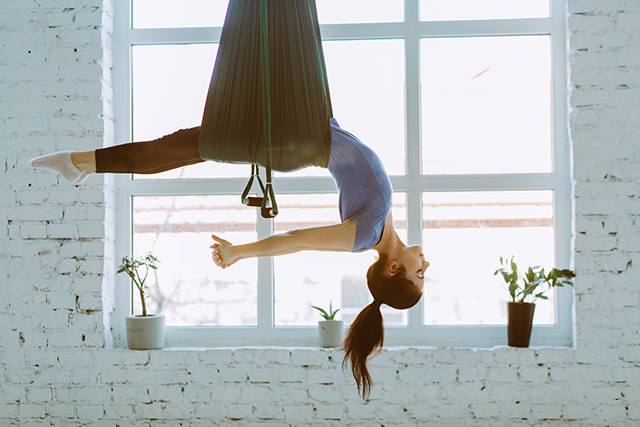
New research shows that not all physical activity impacts sleep equally — and some low-intensity exercises, including yoga, tai chi, walking, and jogging, may be quite effective for people struggling with insomnia. According to a comprehensive review led by Zhijun Bu at the Beijing University of Chinese Medicine, these gentle activities offer powerful sleep-promoting benefits, often comparable to medication, but without the associated side effects.
- Gentle exercises like yoga, tai chi, walking, and jogging were found to significantly improve sleep quality—boosting total sleep time, reducing time to fall asleep, and lowering nighttime awakenings in people with insomnia.
- Yoga and tai chi may be especially effective for falling asleep faster and sleeping longer, while walking and jogging were linked to decreased insomnia severity and better daytime functioning.
- Strength training showed no clear sleep benefits in this analysis, and nearly 70% of the reviewed studies had design limitations—highlighting the need for more rigorous research.
- Experts recommend pairing regular moderate exercise with cognitive behavioral therapy (CBT) for best results, while cautioning against intense workouts near bedtime and urging gradual, consistent physical activity.
These Low-Key Exercises Could Help You Sleep Better
The review analyzed 22 clinical trials involving over 1,300 participants. Researchers examined how seven types of exercise influenced key sleep metrics, such as total sleep time, how long it took participants to fall asleep, the number of nighttime awakenings, and sleep efficiency (time asleep while in bed). Among the exercise types reviewed — including strength training, mixed aerobic routines, and exercise combined with therapy — yoga, tai chi, walking, and jogging consistently delivered the strongest results.
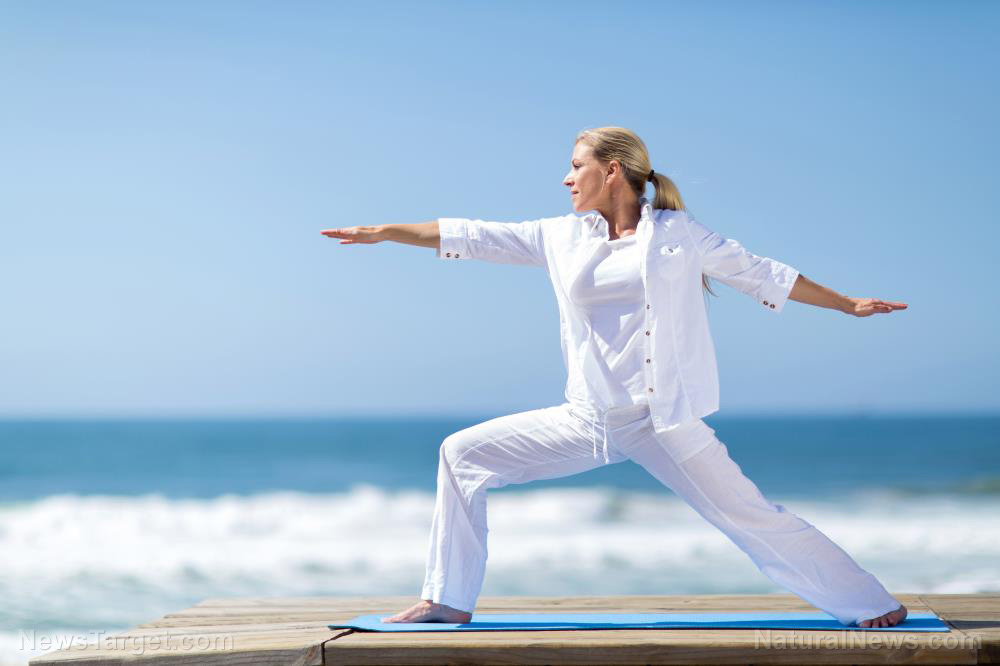
Yoga emerged as especially effective, adding nearly two extra hours of sleep, significantly reducing time awake during the night, and shortening the time it took to fall asleep. Tai chi showed similar benefits, with over 50 additional minutes of sleep and improved scores on sleep quality assessments. Walking and jogging also helped reduce the severity of insomnia symptoms, though their impact on total sleep time was less pronounced than that of yoga and tai chi.
Interestingly, strength training did not appear to improve sleep in this review — a finding that contradicts some past studies. The researchers acknowledged that about 70% of the included trials had design flaws, such as not reporting exercise intensity or duration, which means these results should be viewed with caution. More rigorous studies are needed to confirm these findings.
Bu suggests that choosing the right exercise depends on one’s sleep challenges. For people who struggle to fall asleep or get enough rest overall, yoga and tai chi may be more suitable. For those experiencing daytime fatigue, mood disturbances, or trouble focusing, aerobic exercises like walking and jogging may be more beneficial.
Tai chi stood out as the most consistently effective across all sleep-related measures — even in short-term practice and with lasting effects seen up to two years later. Based on the evidence, Bu recommends walking or jogging 3–5 times per week for 30–75 minutes, yoga 2–6 times per week for 45–60 minutes, and tai chi 2–3 times weekly for the same duration.
Experts not involved in the study also highlighted how these forms of exercise contribute to better rest. Sleep medicine specialist Dr. Shalini Paruthi noted that moderate aerobic exercise boosts deep sleep, while the mindfulness elements of yoga and tai chi help reduce anxiety and depressive symptoms — common contributors to poor sleep.
While cognitive behavioral therapy (CBT) remains the first-line treatment for insomnia, exercise can be an effective supplement, or even a first step for those with milder sleep issues. Sleep experts emphasize building a consistent routine, starting gently, avoiding intense activity near bedtime, and selecting activities that are enjoyable to promote long-term adherence and improve sleep naturally.
Tune your internet dial to NaturalMedicine.news for more tips on how to use natural remedies for preventative medicine and for healing, for sleeping better, and for boosting your dopamine and enzymes.
Sources for this article include:










Please contact us for more information.