


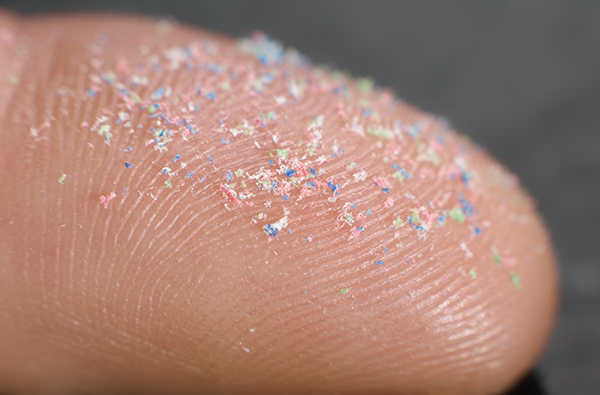
- Common household plastics like bottles, teabags, and cutting boards shed harmful microplastics into food and drinks.
- Microplastics and nanoplastics infiltrate organs, with links to cancer, heart disease, and pregnancy risks.
- Plastic bottles, food containers, and teabags are top sources, releasing particles during normal use.
- Even "eco-friendly" plastics leach toxins, with babies exposed through bottles and feeding products.
- Experts urge switching to glass, wood, or stainless steel to reduce exposure until regulations improve.
The next time you sip from a plastic water bottle, steep a teabag, or chop vegetables on a plastic cutting board, you may be ingesting more than just food and drink. In fact, you could be swallowing invisible plastic particles linked to cancer, strokes, and pregnancy complications. A shocking new study from Swiss researchers reveals that everyday household items shed microplastics during normal use, contaminating our bodies from birth to adulthood.
Scientists at the Food Packaging Forum in Zurich analyzed 103 studies and found that plastic food containers, baby bottles, teabags, and even plastic wrap release micro- and nanoplastics—particles smaller than 0.2 inches—directly into what we consume. These toxic fragments don’t just pass harmlessly through the body. Instead, they lodge in vital organs, including the heart, lungs, and brain, with consequences scientists are only beginning to understand.
The silent invasion of microplastics
Microplastics are polymer fragments ranging from less than 5 millimeters down to 1 micrometer—so small they’re invisible to the naked eye. Even more alarming are nanoplastics, which are 1,000 times thinner than a human hair and can migrate through tissues into the bloodstream. Once there, they distribute synthetic chemicals linked to oxidative stress, inflammation, endocrine disruption, and even dementia.
The Swiss study, published in the journal NPJ Science of Food, identified plastic bottles as the worst offenders, with 173 database entries showing microplastic shedding. Other high-risk items included food containers (115 entries), teabags (70), disposable cups (59), and baby bottles (27). One entry confirmed microplastics leaching from plastic cutting boards in proof that routine kitchen activities are poisoning us.
“Plastic food contact articles can release microplastics and nanoplastics into foodstuffs,” the researchers warned. “To better protect human health, regulations could mandate microplastics and nanoplastics migration testing.”
How your kitchen is betraying you
The study found that microplastics are released during “normal use as intended by the manufacturer.” For example:
- Twisting open a plastic bottle cap creates abrasion, releasing particles.
- Cutting food on plastic cutting boards scrapes off microscopic plastic shards.
- Steeping a teabag in hot water washes plastic particles into your drink.
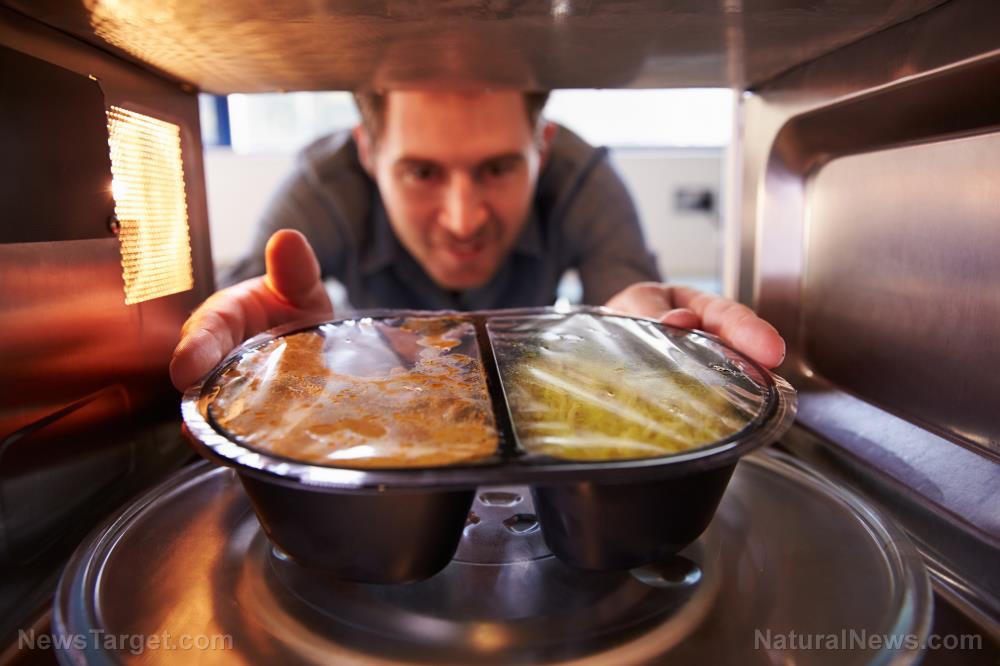
- Reheating food in plastic containers accelerates chemical leaching.
Polyethylene terephthalate (PET), the most common plastic in bottles and packaging, was the primary culprit. Even “eco-friendly” recycled PET (rPET) was implicated, proving that greenwashing won’t save us from this toxic tide.
Worse, babies are exposed from day one. The study identified 27 cases of microplastics shedding from baby bottles and feeding accessories.
The health toll we still don’t fully understand
Although the long-term effects remain unclear, microplastics have already been found in human blood, brain tissue, placentas, and even testicles. A March 2024 study linked microplastics in carotid arteries to a doubled risk of heart attack, stroke, or death within three years. Other research ties them to cancer via chemical leaching and inflammation, along with pregnancy complications due to placental contamination, and gut microbiome disruption that can lead to immune dysfunction.
“The emerging evidence strongly suggests that mitigating human exposure to microplastics is prudent,” the Swiss team concluded. Yet governments and corporations continue to ignore the crisis, leaving consumers to fend for themselves.
Fighting back against plastic pollution
While systemic change is needed, here are some immediate steps that can help you reduce your exposure:
- Ditch plastic bottles for stainless steel or glass.
- Replace plastic cutting boards with wood or bamboo.
- Avoid teabags with plastic seals; opt for loose-leaf tea.
- Never microwave plastic containers; heat food in ceramic or glass.
- Avoid using plastic wrap.
Our kitchens are ground zero for a silent plastic invasion. From baby bottles to teabags, corporations have turned everyday items into toxic time bombs while regulators look the other way.
Sources for this article include:







Please contact us for more information.